
Article
Weaning Tableware Guide: Baby Plates, Bowls, Cups and Spoons
22 Nov 2026
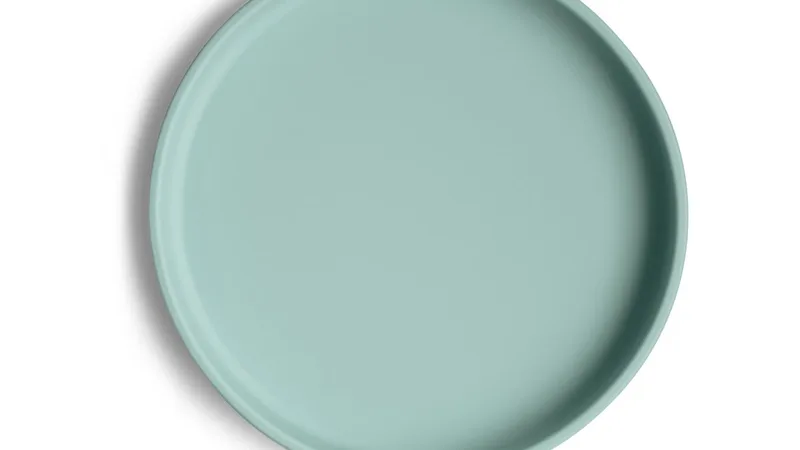
Most babies start solid foods (weaning) at about 6 months, and the equipment that actually matters is small: a shallow plate, a small bowl, a short soft spoon and a cup for sips of water — this guide helps you choose safe items that fit your baby's development and are easy to clean, following NHS, WHO and American Academy of Pediatrics (AAP) advice.
When to start
- Around 6 months — the World Health Organization (WHO) recommends exclusive breastfeeding for the first six months, then starting complementary foods while continuing to breastfeed
- NHS says most babies are ready around 6 months — readiness depends on each baby's development, not the age number alone
- Readiness signs (NHS) — sits up and holds their head steady, coordinates their eyes, hands and mouth to look at food, pick it up and put it in their mouth themselves, and swallows food rather than spitting it out
- Developmental readiness (AAP) — AAP stresses that readiness varies with each child’s development; consider head control, interest in food and the ability to move and swallow it.
The basics you need
- A shallow plate — a low rim makes food easier to scoop, and a non-slip base keeps the plate from sliding on the table
- A small bowl — for porridge, thick soups and foods with a little liquid
- A short, soft spoon — a short spoon can be easier for a caregiver to guide during small spoonfuls.
- A cup for sips — NHS suggests introducing a cup from about 6 months, with sips of water at meals
- A feeding seat — AAP says a baby should have good head control when seated in a high chair, feeding seat or infant seat.
- A feeding mat — makes cleanup easier for both the table and the baby
- No need to buy a big set at once — start with a plate, bowl and spoon, then add pieces as the baby grows
Choosing safe materials
- It must be food-contact material — EU Regulation (EC) No 1935/2004 requires covered food-contact materials to be made under good manufacturing practice so that, under normal or foreseeable use, they do not transfer substances in amounts that could endanger health, unacceptably change food composition or impair its sensory properties. This is an EU rule; check which requirements apply to the product, material and market, and ask the manufacturer or importer for relevant compliance documents.
- Check product-specific requirements — a “BPA-free” or “food grade” label alone does not prove that a product meets the food-contact requirements for its material and intended use. Check the manufacturer's information and ask the importer which rules apply.
- Food-grade silicone — a popular material for modern feeding gear, for example Mushie, the baby brand on bclink.co that uses food-grade silicone and organic cotton
- Plastic, stainless steel or melamine — follow the manufacturer's guidance on dishwashers, heat and microwaving; do not keep using pieces that are cracked, warped or discoloured
- In Thailand — food packaging and food-contact materials fall under the Thai FDA's food law, but the rules apply by scope: requirements depend on the material, the type of product and its intended use, so no single rule covers every plate, cup and material; check the current rules on the อย.'s food-law page and confirm compliance for the specific product with the manufacturer or importer
Choosing the right cup
- NHS — introduce a cup from about 6 months and offer sips of water at meals — an open cup or a valve-free (free-flow) cup helps the baby learn to sip and is better for the teeth
- AAP — an open cup, sippy cup or straw cup all work — offer a small amount of water and keep it to no more than one cup (8 oz) a day
In Thailand's heat
- Hot weather (AAP) — AAP notes that a small amount of water may be needed in very hot weather.
- Hygiene (NHS) — wash your hands before preparing food, and cool hot food to a safe temperature before every feed
Letting your baby learn to feed
- There is no single best method — spoon-feeding or letting the baby pick up food (baby-led weaning) are both workable — NHS advises offering finger foods from the start
- Start small (AAP) — offer about half a spoonful or less, and keep food soft or puréed to prevent choking
- One food at a time, every 3–5 days (AAP) — so you can watch how the baby reacts to each new food
- Texture — move from smooth purées to lumpy, then to small soft pieces as the baby develops (NHS)
Cleaning and care
- Wash after every meal — plates, bowls, spoons and cups
- Check condition regularly — replace pieces that are cracked, chipped, warped or discoloured; do not keep using damaged items
- Heat and dishwasher — follow the manufacturer's label only; use the microwave only when the maker says the material is microwave-safe
- High chair and mat — wipe and clean after every meal, since food residue builds up quickly
FAQ
Do I need to buy a full set at once? No — start with a shallow plate, a small bowl and a soft spoon, then add a cup once the baby starts sipping water (about 6 months, NHS).
Can I use an open cup right away? Yes — NHS suggests introducing a cup from about 6 months, and an open cup or a valve-free cup helps the baby learn to sip and is better for the teeth.
Is silicone or plastic safer? Neither material is automatically safer by name alone. Check the manufacturer's information and the food-contact rules that apply to its material and intended use; a “BPA-free” or “food grade” label alone is not proof of compliance.
Can I microwave food in a baby plate? Only when the maker clearly states the material is microwave-safe — many materials have heat limits, so follow the product label.
My baby is 6 months but not interested in food — should I buy the set now? You can prepare a basic set in advance — NHS advises watching for readiness signs (sitting up with steady head control, eye–hand–mouth coordination for picking up food, and swallowing rather than spitting out) before starting.
See the pieces in person at The Little Store
If you would like to look at feeding equipment before deciding, The Little Store in central Bangkok is a premium baby and kids store where you can see products before buying (bclink.co lists 150+ baby and kids products) — contact our team to check current stock in store.
References
- Baby's first solid foods — NHS (UK)
- Infant and young child feeding — World Health Organization (WHO)
- When Can Babies Start Solid Foods? — American Academy of Pediatrics (HealthyChildren.org)
- Regulation (EC) No 1935/2004 on materials and articles intended to come into contact with food — EUR-Lex
- Food-in-container rules (food law page) — Thai FDA (Office of the Food and Drug Administration)